Backseat Offroad Upgrades and Engine Swaps
Stock baseline, lift tradeoffs, snorkels, engine feel, winch-first priority, and how to retest after every mod.
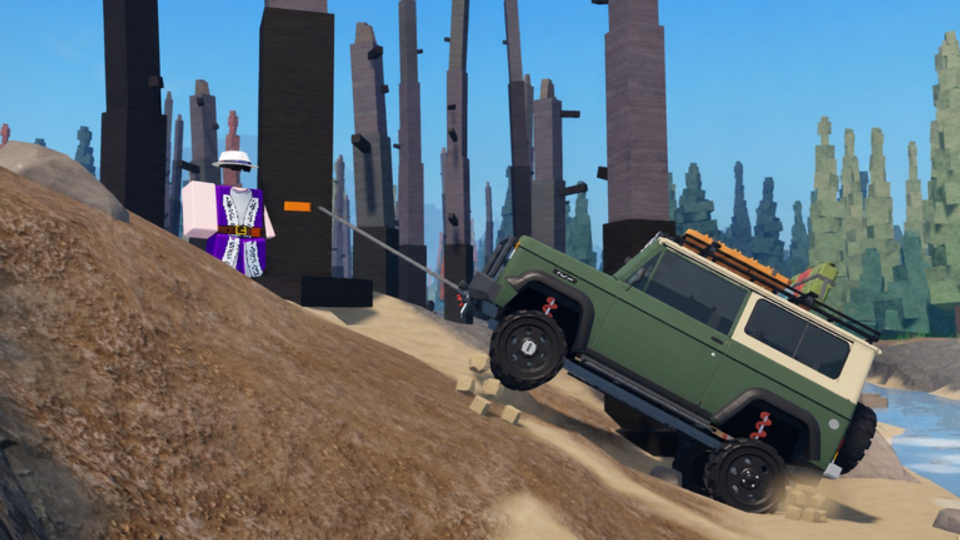
Upgrades in Backseat Offroad change how the five old garage 4x4s climb, float, and recover—not how fast you finish a stage. There is no race clock here. This is a mountain crawl with low range, differential lockers, winches, and roughly one hundred hidden places between lakeside forest and snowy summit. Do not confuse it with Backseat Rally from the same studio. Mods should make patient lines safer and more flexible. They should not turn every shelf into a tip highlight.
This page walks a practical order: learn the stock baseline, understand lift clearance versus tippiness, treat snorkels as water tools, judge engine swaps by feel and restraint, keep winch readiness first, then run a short retest loop after every change. Pair it with vehicle roles, climbing tips, controls, winch and recovery, Getting Started, and canoe and water.
Start from the stock baseline
Before you buy anything, drive each archetype on the same lakeside loop. Note ride height, how early wheelspin arrives in low range, how the truck leans on mild side hills, and how confident you feel attaching a winch. Exact public model names can shift in UI text, so rank by role: beginner-forgiving, rock-focused, mud-and-river friendly, snow-stable, co-op support. Stock knowledge tells you whether a later flip came from a bad line or from a mod that raised the tip point.
Spend one quiet session with lockers cycling on and off and low range engaged before steep pitches. If you cannot climb a known root stair stock, an engine swap will usually dig a deeper hole—not solve placement. Revisit Getting Started if the garage still feels like a fashion menu instead of a test track.
Lifts: clearance versus tippiness
Suspension lifts help belly clearance on rock stairs, roots, and uneven shelves. They also raise the center of gravity. After a lift you must relearn side-hill limits on a mild slope before you trust snow or off-camber summit approaches.
Signs a lift is helping:
- Fewer high-centers on familiar boulder stairs.
- Approach and departure angles that used to scrape now clear.
- You can keep tires on high points without the chassis kissing every ledge.
Signs a lift is hurting:
- Mild cambers that felt boring now feel tippy.
- A sideways winch yank rolls you faster than before.
- You need dramatic countersteer on lines that used to be calm.
Prefer straighter climbs after a tall lift. Diagonal hero lines punish high builds. If your favorite beginner truck becomes scary after lifting, park the tall setup for technical forest rock and use a more stable garage option for summit days—compare notes on the vehicles tier list. Climbing discipline after geometry changes is covered in climbing tips.
Snorkels and water
Snorkels expand the safe depth envelope for intentional river and lake crossings. They do not invite full-throttle wakes or blind midstream shortcuts. Scout depth first—walk the bank, send a canoe buddy, or enter only where you can see a shallow exit ramp.
Use a snorkel when:
- Your planned route needs a known crossing instead of a long detour.
- You already crawl in low range and can reverse the moment the nose dives.
- Shore trees or a friend on the bank can winch you if the bottom softens.
Skip deep water when:
- You have no snorkel and the far bank is unknown.
- The entry is side-hill and tall after a lift.
- Current or soft mud makes reverse unlikely.
Treat snorkel installs as permission to crawl carefully, not as a license to invent underwater highways. Detailed put-in habits, buddy roles, and stuck-in-water recoveries live in canoe and water. Recovery geometry for shore pulls is in winch and recovery.
Engine swaps: feel, power, and when not to buy
Engine swaps change how far you press the pedal for the same crawl speed. More torque can help a loaded climb if tire placement is already honest. More torque also spins tires earlier in mud and snow if your foot still drives like the stock motor.
After any swap:
- Find a short known hill near the lake.
- Climb it in low range with the locker habit you already trust.
- Note how early wheelspin arrives compared with stock.
- Adjust your foot before you attempt a personal-best summit pitch.
When an engine swap helps:
- You already pick tire highs well and need a little more pull through a rock stair without raising throttle chaos.
- Convoy pacing feels stuck in the wrong gear band on long mid-mountain grades.
- You recalibrated and the truck still feels controllable on your practice loop.
When not to buy yet:
- You are still flooring high range on wet roots.
- You flip on mild cambers after a fresh lift and want “power” to muscle through instead of fixing lines.
- You have no reliable winch habit and plan to dig out of every mistake with revs.
- You have not verified binds for low range, lockers, and winch on your device—open controls first.
Power without placement just polishes ice and digs ruts. Pair swaps with lift awareness: taller trucks need even calmer inputs when the motor hits harder.
Winch readiness is the real priority upgrade
If your budget or unlock order forces a choice, prioritize being able to recover over looking tall or sounding strong. A pretty truck that cannot self-recover or accept a friend pull will stall a twenty-player lobby and your own session. Confirm you can deploy, attach to a solid tree or friend bumper, tension slowly, and stow cleanly before you chase cosmetic or power mods.
Winch readiness checklist:
- You know tree versus friend anchor choices.
- You stop digging when tires only spray dirt.
- You can abort a sideways pull when lean increases.
- You practice one intentional stuck near the lake every few sessions.
Deep recovery literacy—angles, snow shelves, river pulls—belongs in winch and recovery. Upgrades should make those skills easier to apply, not optional.
The retest loop after every mod
Never stack three changes and then drive straight into whiteout snow. Change one system, then retest on a known lakeside course:
- Flat forest road — steering, braking feel, and whether lockers still make sense for turns.
- Root or rock stair — clearance and whether low-range throttle timing changed.
- Mild side hill — new tip point after a lift.
- Shallow water lip — snorkel confidence and reverse discipline.
- Intentional ditch — winch deploy and stow without panic.
Only after that loop feels boring should you push one ridge higher. If a mod makes the truck worse on the practice course, reverse the change or switch archetype instead of hoping the summit will somehow be kinder.
Suggested unlock mindset for the first week
- Confirm stock drivetrain literacy (low range, lockers).
- Ensure winch comfort on trees and friends.
- Add snorkel when water routes start blocking exploration.
- Add modest lift only if belly scrapes are the real limiter.
- Consider engine swap after foot recalibration on a known hill.
- Retest, then mix in summit attempts and hidden-place hunts.
Co-op groups should announce mods before a convoy push—“fresh lift, tippy on cambers”—so spotters adjust. Role picks for rock, river, snow, and support trucks stay clearer when everyone knows what changed; keep vehicle roles and climbing tips open beside this page.
Common upgrade mistakes
- Lifting first, then blaming the map for every roll.
- Buying an engine swap to fix bad tire placement.
- Crossing deeper water the moment a snorkel appears without scouting exits.
- Skipping winch practice because the truck “feels strong now.”
- Stacking lift plus swap plus new line on the same evening with no retest.
- Treating Backseat Offroad like a timed sister title and upgrading for stage times that do not exist.
What to open next
Recalibrate movement with controls, harden lines with climbing tips, keep recovery sharp via winch and recovery, plan wet routes in canoe and water, and compare garage archetypes on the vehicles tier list. New players who skipped the first-hour plan should still skim Getting Started.
Upgrade patiently. In Backseat Offroad the best mod is the one you retested until it felt boring—then took uphill without drama.
Frequently Asked Questions
Quick answers for climbing, winching, and exploring the mountain.
What upgrade should I buy first?
Prioritize winch readiness and recovery comfort before tall lifts or engine swaps. A truck that cannot self-recover will stall climbs and lobbies.
Do lifts always make climbing easier?
They help belly clearance but raise tip risk. Retest side hills after any lift and prefer straighter lines on snow and off-camber shelves.
When should I skip an engine swap?
Skip it if you still mash high range on wet roots, flip after a fresh lift, or lack winch habits. Fix placement and recovery first.
Does a snorkel mean I can charge through lakes?
No. Snorkels expand crawl depth for intentional crossings. Scout exits, enter slowly in low range, and reverse early if the nose dives.
Why retest after every single mod?
Stacked changes hide which part made the truck tippy or spin-happy. One change plus a lakeside loop keeps cause and effect clear.
Are upgrades about racing faster in Backseat Offroad?
No. There is no stage timer. Mods should improve clearance, water confidence, and recovery—not invent race pace.