Backseat Offroad Canoe and Water Crossings
When to paddle, how to scout depth, snorkel crawls, wet recoveries, and shoreline finds with a buddy.
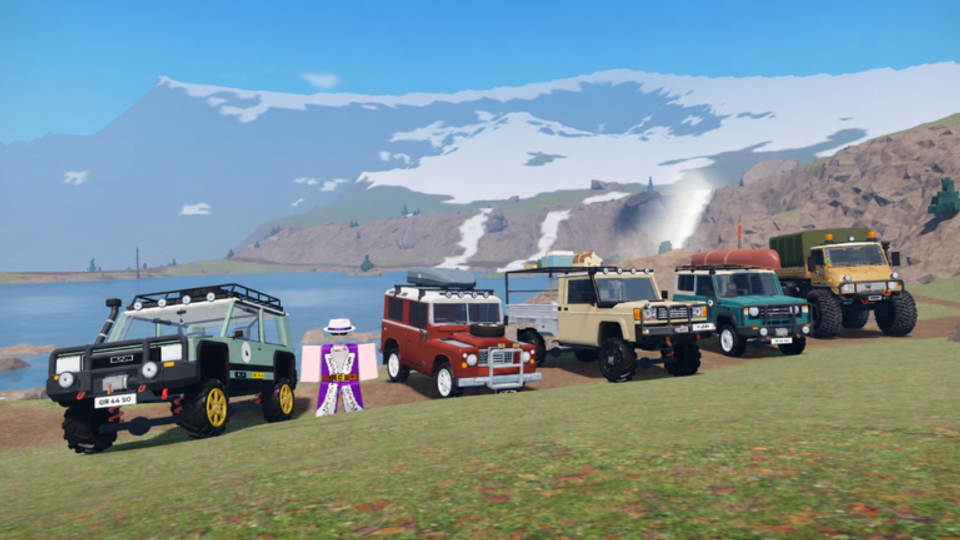
Water is not a shortcut button in Backseat Offroad—it is a second map layer. Lakeside forest routes, river lips, and quiet shoreline corners hide cabins, viewpoints, and approach angles that tires alone miss. You also get a canoe you can paddle, which turns co-op sessions into scout-and-drive partnerships. This guide covers when to paddle versus drive, put-in and buddy roles, depth checks, snorkel crossings, stuck-in-water recovery, and how shorelines feed hidden places hunts.
Remember the fantasy: five old 4x4s with low range and differential lockers, winches, lifts, snorkels, engine swaps, and roughly one hundred secrets on a climb toward snow. There is no race timer. This is not Backseat Rally. Patience on the bank beats a viral flip midstream.
Bring co-op habits, winch and recovery skills, upgrades and engine swaps context for snorkels and lifts, and climbing tips for the muddy exits that follow wet sections.
When to paddle versus when to drive
Paddle when:
- You need a shoreline angle tires cannot reach without a long detour.
- Depth is unknown and a truck entry would be a guess.
- You are hunting quiet coves, cabin silhouettes, or viewpoint ledges visible from water.
- A friend can keep the 4x4 on firm ground as a mobile winch anchor while you scout.
Drive when:
- You can see a shallow bottom and a clear exit ramp.
- The crossing is short, straight, and already used by packed tire tracks that look intentional—not chaotic spin marks.
- Your build has a snorkel and you are willing to crawl in low range with an abort plan.
- The canoe would add more logistics than the crossing deserves.
Do neither yet when:
- Fog or camera angle hides the far bank.
- The only entry is a tall side-hill after a fresh lift.
- Nobody is free to winch from shore if the nose dives.
Canoes excel at information. Trucks excel at moving the party once the line is proven.
Put-in and buddy roles
Treat water like a mini convoy problem even with two players.
Driver (truck)
- Parks on high-traction ground, not on the soft lip that will collapse under idle tires.
- Keeps low range and lockers ready if a pull becomes necessary.
- Watches the canoe line and calls depth changes if the paddler drifts over darker water.
Paddler (canoe)
- Puts in at the calmest pocket, not the fastest current tongue.
- Scouts the intended truck crossing perpendicular to the bank when possible.
- Reports bottom feel, rock hazards, and the best exit shelf in plain language (“knee deep then sudden drop left”).
Spotter on foot (optional third)
- Walks the bank for trees that can anchor a winch.
- Marks a go / no-go with a simple call before anyone commits the truck.
Swap roles often so everyone learns both crafts. Etiquette for twenty-player lobbies—clear callouts, no AFK on the only ramp—lives in the co-op guide.
Depth checks that actually help
Guessing depth from a pretty reflection is how sessions end early. Prefer a layered check:
- Visual read from multiple camera angles on shore.
- Canoe pass along the planned tire path, not a scenic detour.
- Foot scout when the experience lets you leave the vehicle safely near the lip.
- Probe entry with the truck only after the first three agree the crossing is shallow enough for your build.
Watch for color changes, submerged logs, and shelves that look shallow until the front tires drop. If the canoe suddenly feels “empty” under the hull, assume a hole and relocate the crossing rather than hoping the snorkel will forgive pride.
Snorkel crossings
Snorkels expand the safe crawl envelope; they do not erase physics. Enter slowly, preferably straight-on, in low range. Side-hill water entries roll tall lifts. Keep throttle tiny so you do not dig a bow wave that floods the nose.
Snorkel crossing checklist:
- Exit ramp identified before entry.
- Friend or tree anchors staged on the far bank when depth is marginal.
- Lockers available if one tire finds a hole.
- Reverse muscle memory primed—the first response to a dive is not more gas.
If you lack a snorkel, stay conservative: known puddles, lake edges with visible sand, and short fords only. Upgrade timing for snorkels versus lifts and engine swaps is covered in upgrades and engine swaps. Climbing out of muddy banks afterward still needs the tire-placement habits in climbing tips.
Stuck-in-water recovery
When the truck stops moving in water, diagnose before you make it worse:
- Soft bottom ruts: Tires dug bowls; more throttle deepens them.
- Nose-down shelf: Forward travel increases dive; reverse or winch shoreward.
- High-centered on a submerged rock: Wheels spin free; you need a directional pull, not revs.
- Side lean in current or on a cambered exit: Stop. A sideways yank can finish the roll.
Recovery order that usually works:
- Abort forward throttle immediately.
- Try gentle reverse along the entry track if tires still bite.
- Winch to a shore tree or a friend parked on firm ground—never to a midstream “anchor” that pulls you deeper.
- Tension slowly; watch lean; stop when you can self-drive the rest.
- Clear the ramp so the next convoy member is not blocked.
Cable angles, friend versus tree choices, and snow-bank parallels are detailed in winch and recovery. After a wet pull, stow the winch before you celebrate into the trees.
Shoreline hidden spots
Roughly one hundred hidden places include viewpoints, cabins, and alpine village corners—many announce themselves as silhouettes above water or as docks, clearings, and trail scars along the lake. Use the canoe to:
- Peek around headlands without committing the truck to a dead-end spur.
- Spot cabin roofs and trail cuts that are invisible from the forest canopy.
- Find alternate put-outs that lead to soft exploration loops instead of the main climb.
Drive the shoreline slowly when the bank is firm. Park with escape room; do not nose into soft mud for a screenshot. Search patterns without fake GPS pins live in hidden places. Water scouting is one pattern among several—combine it with ridge silhouettes and co-op spotting inland.
Convoy water etiquette
In larger lobbies:
- One truck crosses at a time on narrow fords.
- Announce “crossing” / “clear” so nobody meets midstream.
- Keep a designated recovery truck on shore until the first vehicle exits.
- Do not block canoe put-ins with AFK parking.
Groups that treat water as teamwork reach more shoreline secrets and waste fewer minutes on tip recoveries.
Mini practice session near the lake
- Paddle a calm cove and call depth colors out loud.
- Stage a friend winch on grass; practice a short bumper pull with wet tires imagined.
- Crawl a known shallow lip in low range; reverse on purpose halfway to feel abort timing.
- If snorkel-equipped, repeat a slightly deeper intentional crossing with an exit already chosen.
- Finish by scanning one headland for a cabin or trail scar, then log the find with your group.
Common water mistakes
- Flooring into unknown dark water because a snorkel icon exists.
- Entering sideways on a tall lift.
- Winching toward deeper water “to straighten out.”
- Leaving the only recovery truck also midstream.
- Ignoring canoe scouts and reinventing the crossing every respawn.
- Treating wet fails like Rally stage comedy instead of calm resets.
What to open next
Explore finds with hidden places, coordinate roles via co-op, sharpen pulls in winch and recovery, time snorkel and lift buys with upgrades and engine swaps, and clean up muddy exits using climbing tips.
Paddle for information, drive for commitment, and winch without ego. That is how Backseat Offroad water stops being a flip machine and starts being part of the mountain.
Frequently Asked Questions
Quick answers for climbing, winching, and exploring the mountain.
Should I paddle or drive a water crossing?
Paddle to scout unknown depth and shoreline angles. Drive only when you see a shallow path and a clear exit—or when a snorkel crawl with an abort plan is justified.
What does the canoe buddy do while I drive?
Scout the tire line, call depth changes, and help spot shore anchors. The truck should wait on firm ground until the paddler reports a go or no-go.
How do I recover a truck stuck in water?
Stop forward throttle, reverse if tires bite, then winch to a shore tree or a friend on the bank. Avoid midstream anchors that pull you deeper.
Does a snorkel make deep crossings safe?
It widens the crawl envelope only. Enter slowly in low range, know your exit, and reverse early if the nose dives.
Can shoreline paddling help find hidden places?
Yes. Canoes reveal cabin silhouettes, trail cuts, and coves tires miss. Use them as a search pattern alongside inland spotting—no fake GPS list required.
Is water racing part of Backseat Offroad?
No. There is no timer. Water is exploration and recovery terrain, not a Rally stage.